Recycle Clothing & Textiles with The ReCollective
Accepted clothing and household textiles are collected every month with The ReCollective’s Hard-to-Recycle service.
Wearable items may be reused, while worn or damaged textiles can often be recycled into wiping cloths, insulation, carpet padding, and other products.
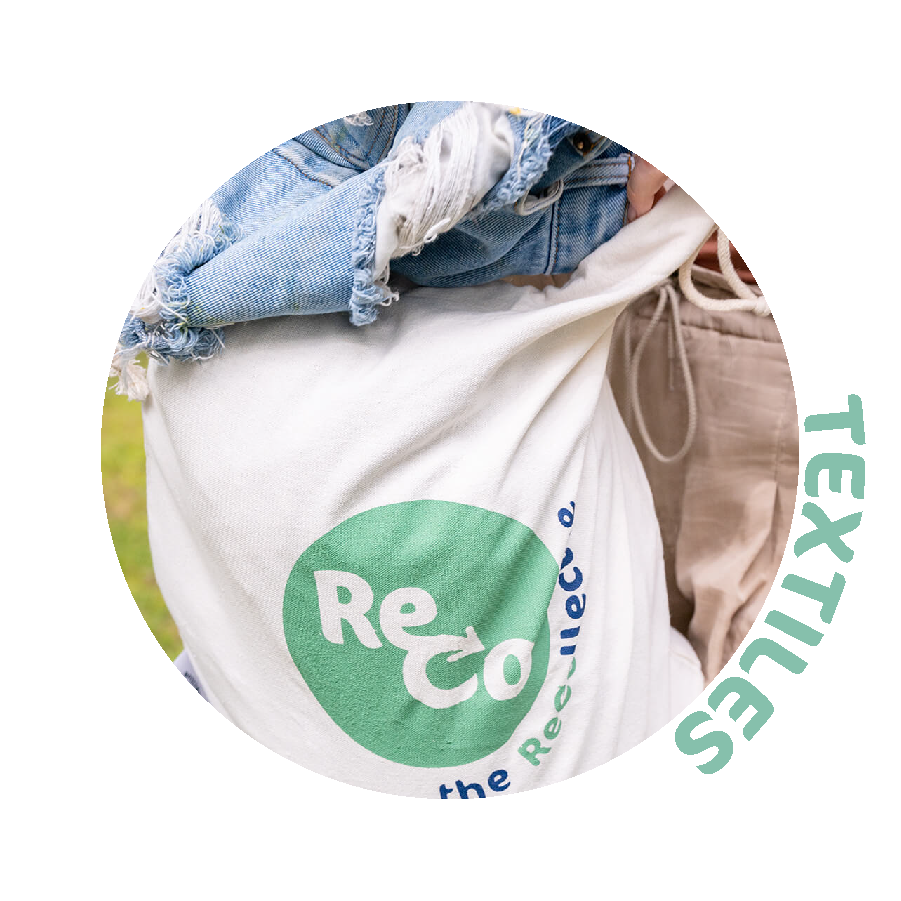
Accepted Clothing & Textiles
EVERY MONTH
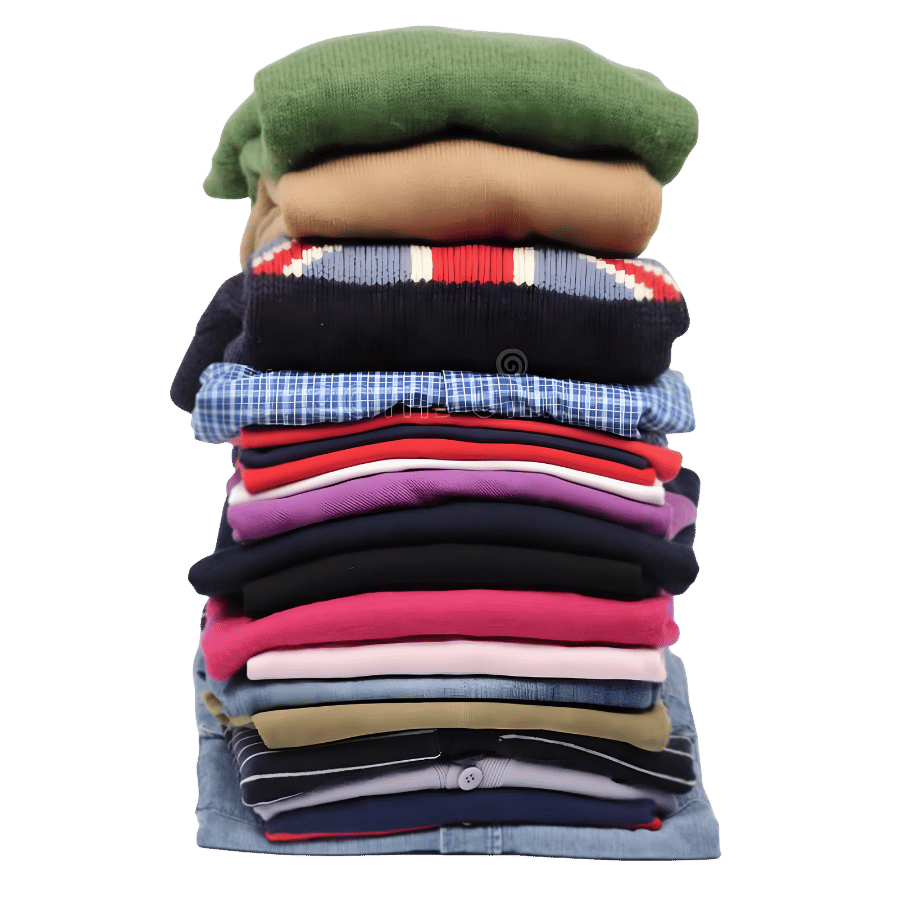
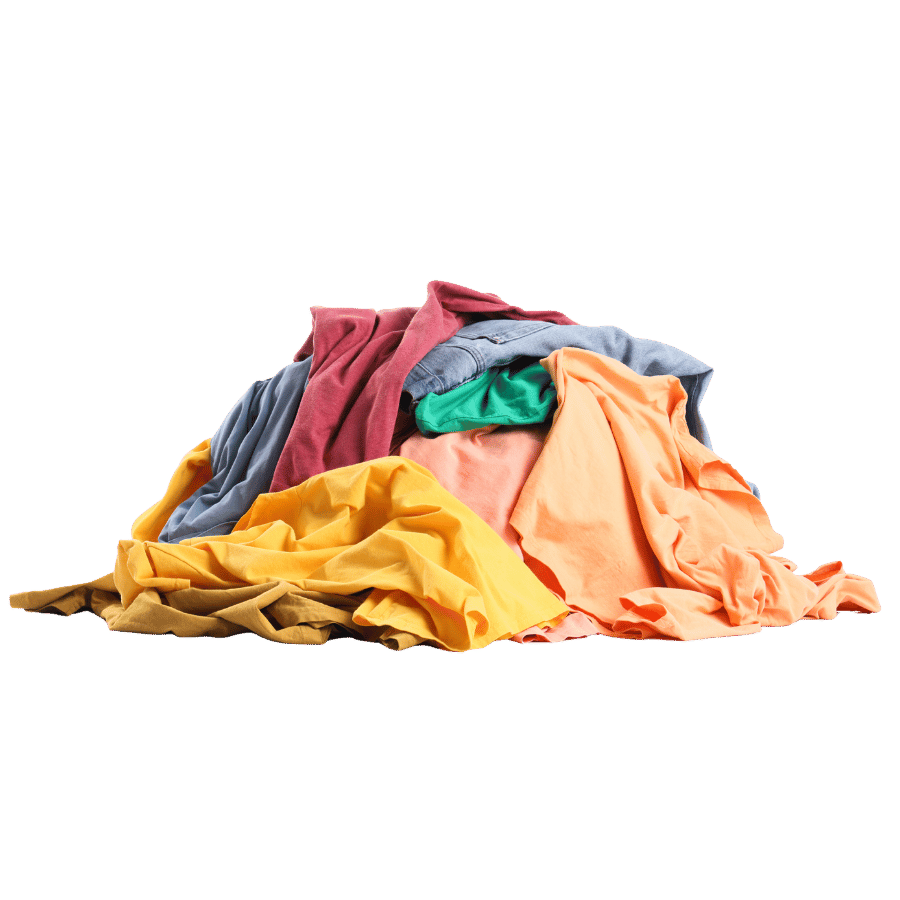
We accept dry clothing and household textiles in wearable or worn condition.
Keep These Out
- Wet textiles
- Moldy or mildewed items
- Hazardous or chemically contaminated textiles
- Pillows
- Items containing foam, vinyl, leather, staples, or other non-textile components
How to Set It Out
Accepted clothing and textiles that fit inside may also go in the Almost Anything Mailback bag.
What Happens to Collected Textiles?
We work with reuse and recycling partners to direct each material toward its best available next use.
Textiles are picked up in their designated bag and kept out of the municipal recycling stream.
Wearable clothing is separated from textiles better suited for recycling.
Approximately 45% of the textiles we collect are wearable clothing that can be resold and reused.
Other materials may become wiping cloths or shredded fiber used in insulation and carpet padding.
Clothing & Textile Recycling FAQ
Can ripped, stained, or worn-out clothing be recycled?
Yes. These items are accepted as long as they are dry and free from mold, mildew, and hazardous contamination.
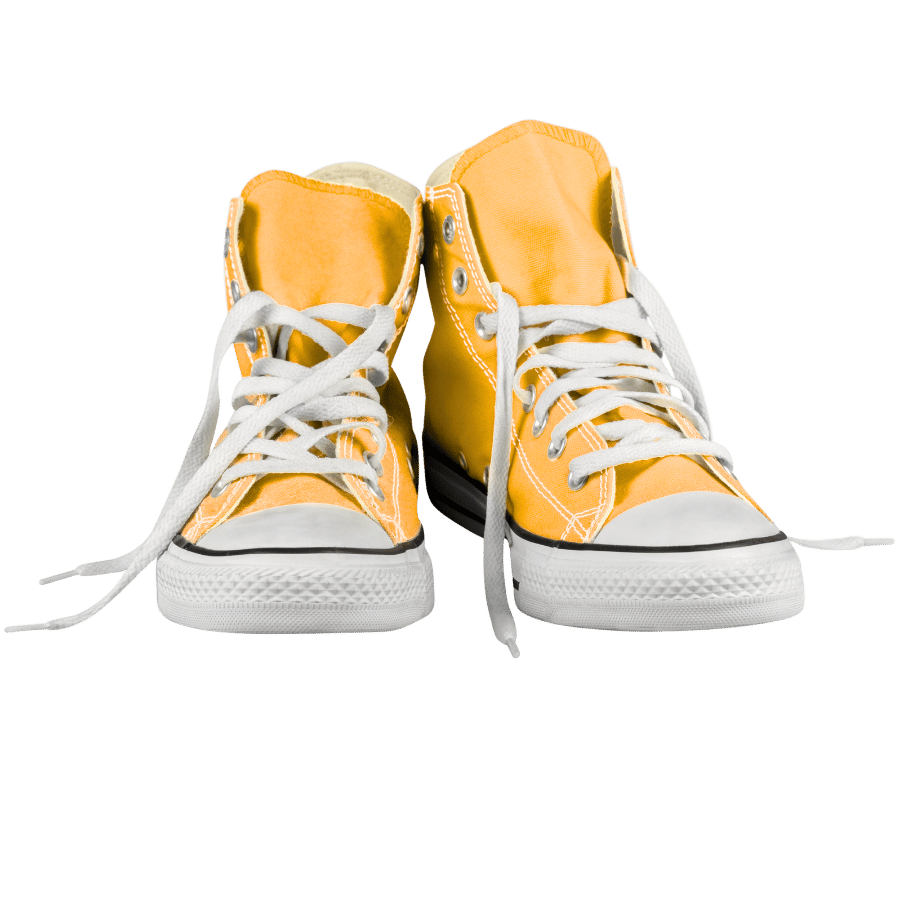
Can I recycle shoes?
Yes. Shoes may be placed in the Textile bag.
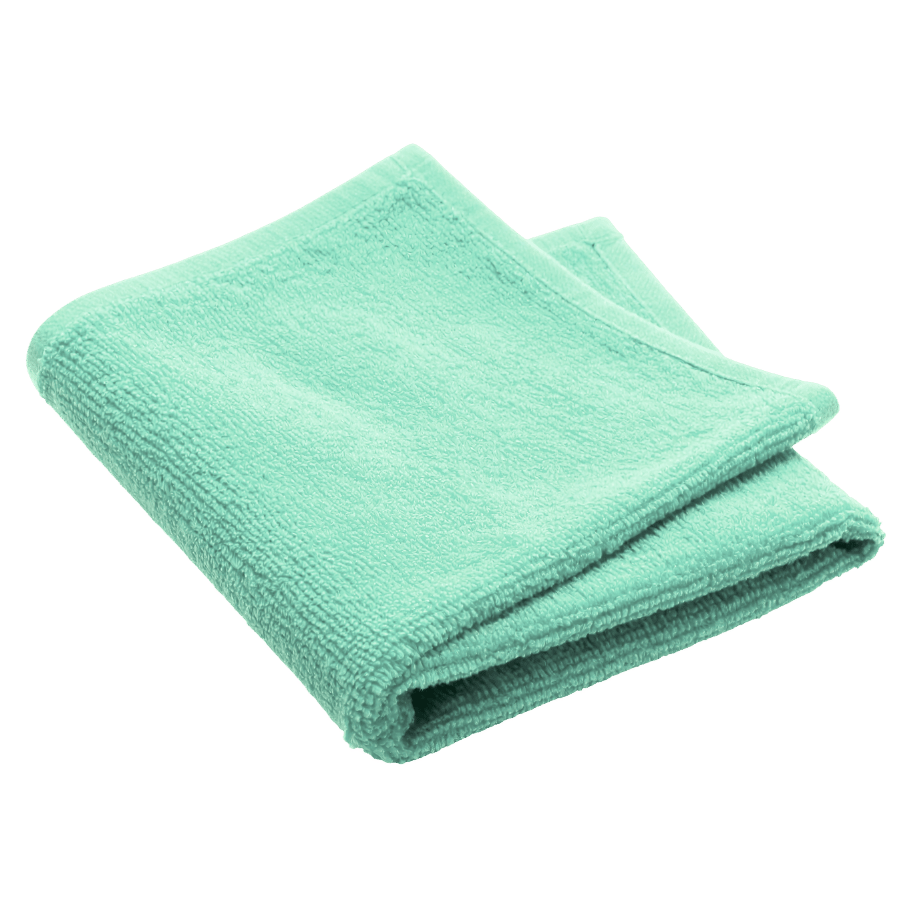
Can I recycle towels and sheets?
Yes. Towels, sheets, and other accepted household textiles may go in the Textile bag.
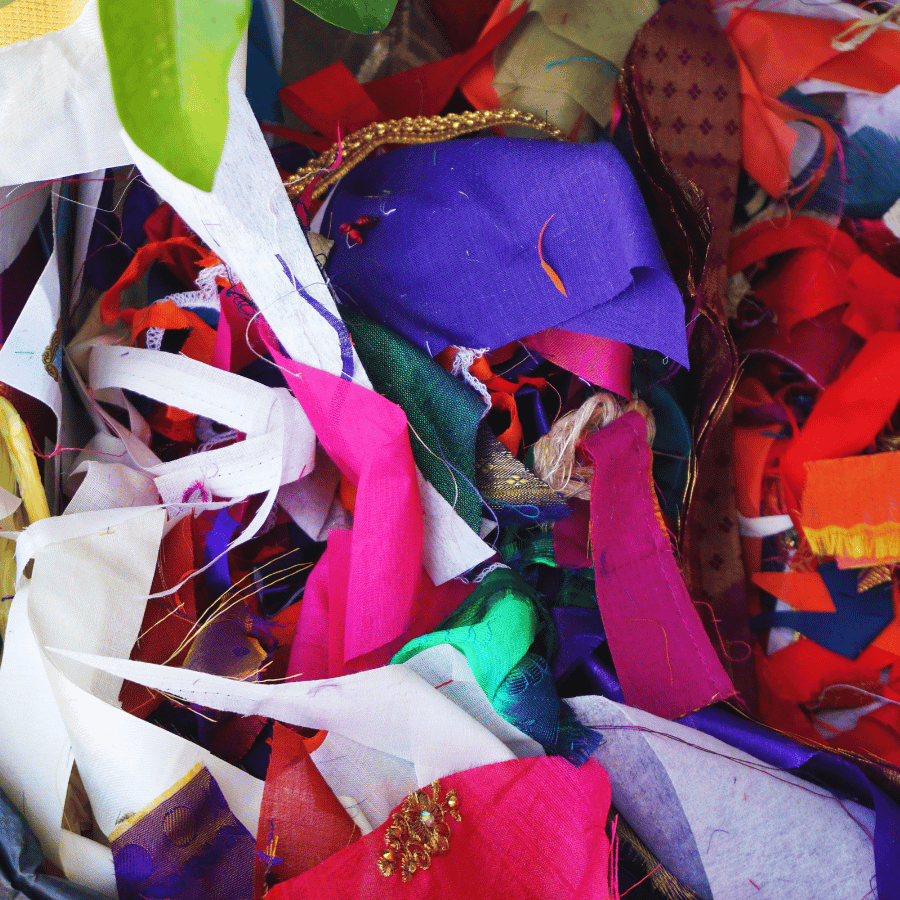
How should I pack fabric scraps?
Place fabric scraps in their own bag, then put that bag inside the Textile bag. Do not place loose fabric scraps directly in the Textile bag.
Should I donate clothing or recycle it?
Wearable clothing in good condition may be donated directly to a local organization. The ReCollective also provides an outlet for many worn or damaged textiles that may not be suitable for donation.
Are textiles collected every month?
Yes. Clothing and textiles are one of our core monthly Hard-to-Recycle materials.
Reuse and Recycling Partners
We work with local and regional partners to keep wearable clothing in use and find recycling outlets for textiles that are no longer suitable for donation.
Note in the Pocket
High-quality children’s clothing can support local families through Note in the Pocket’s clothing programs in Wake County.
Learn about Note in the Pocket
Green Zone Recycling
Textiles that are not suitable for direct reuse can be sorted for additional reuse markets or processed into products such as wiping cloths and recycled fiber.
Learn about Green Zone Recycling
The Scrap Exchange
Reusable fabric, sewing materials, and other creative supplies can stay in circulation through this Durham nonprofit creative reuse center.
Learn about The Scrap Exchange
Bull City Boomerang Bags
Volunteers turn donated and reclaimed fabric into reusable bags, helping keep textiles in circulation while reducing reliance on single-use bags.
Learn about Bull City Boomerang BagsRecycle More with The ReCollective
Add clothing and textiles to your monthly Hard-to-Recycle pickup, or use the Almost Anything Mailback program outside our local service area.
Related Recycling Guides
Review instructions for a few other materials collected by The ReCollective.