
Recycle Household Batteries with The ReCollective
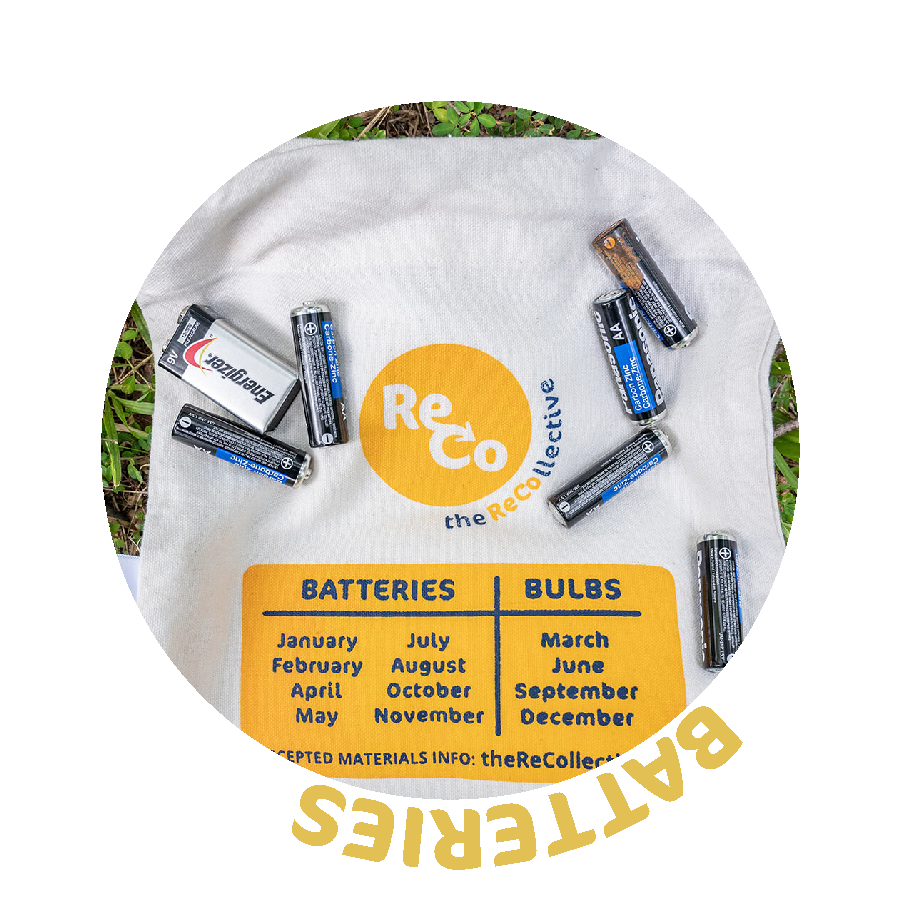
Accepted household batteries are collected during eight scheduled months each year with The ReCollective’s Hard-to-Recycle service.
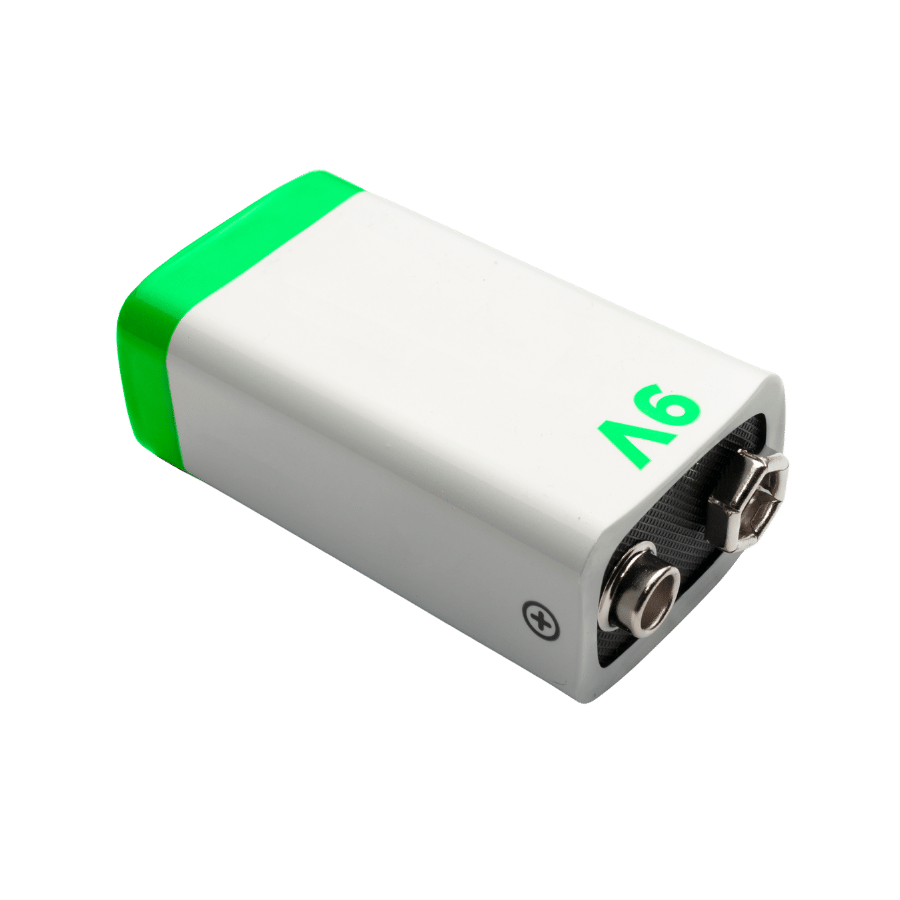
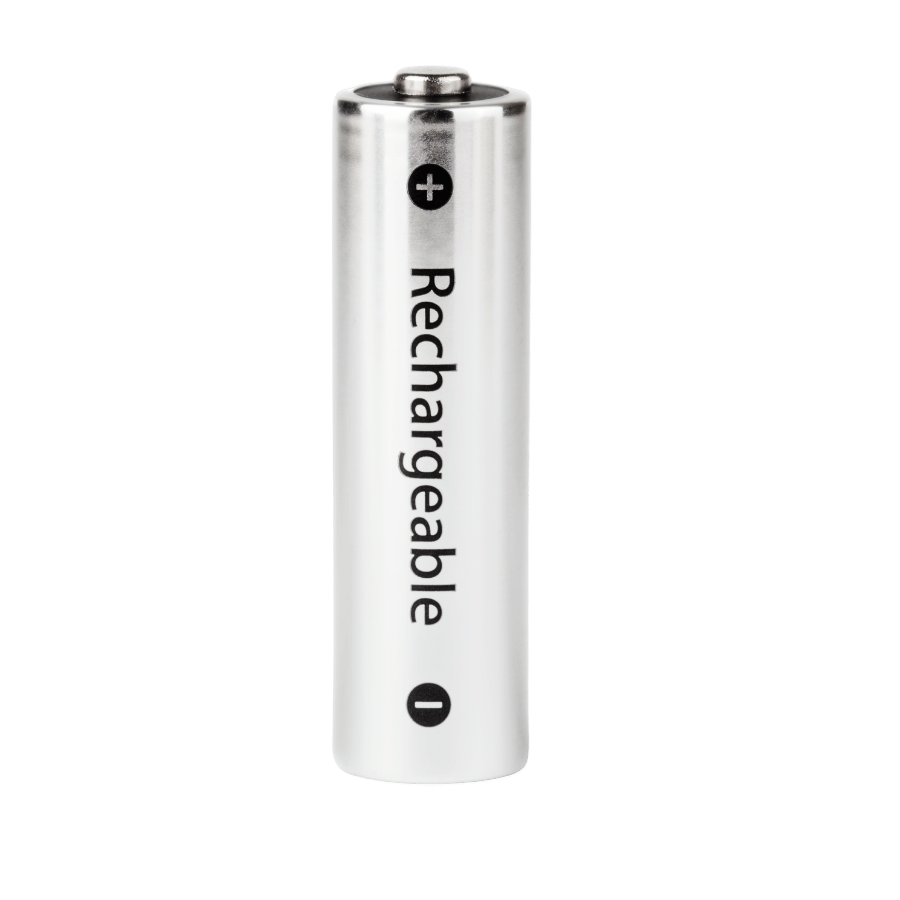
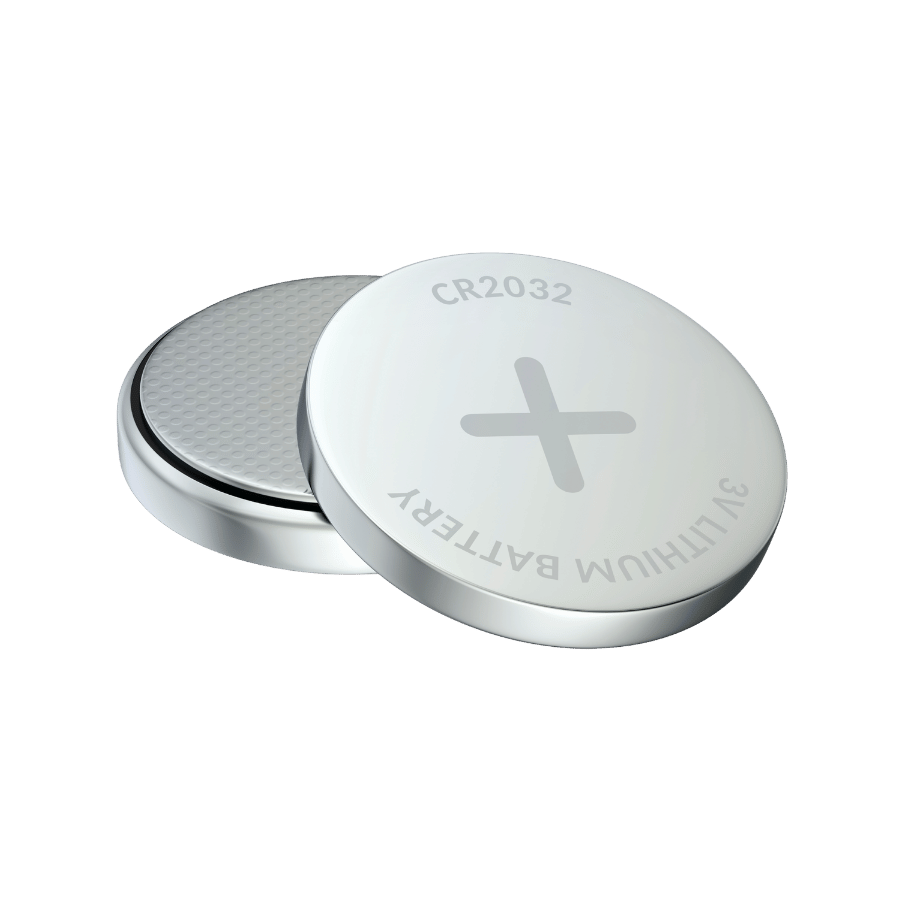
Use this guide to identify accepted batteries, prepare terminals safely, and keep damaged or specialty batteries out of your collection bag.
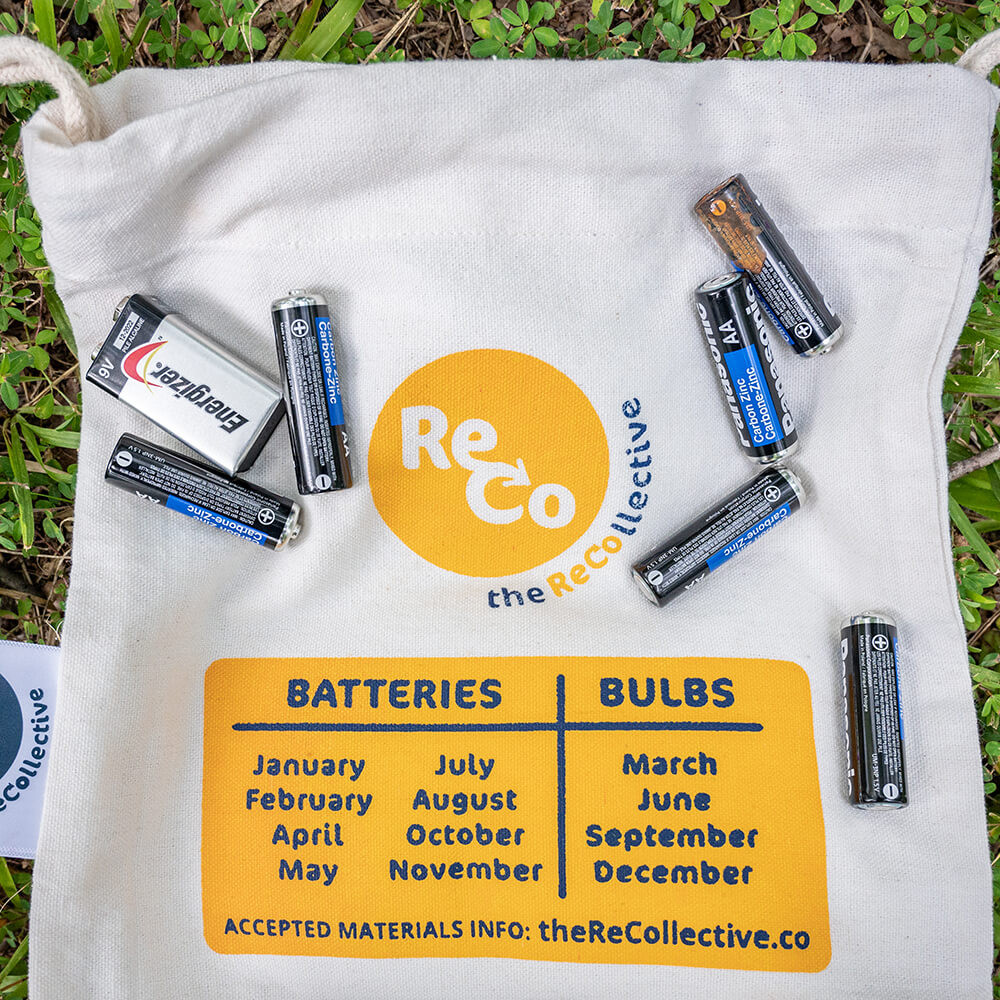
Accepted Household Batteries
JANUARY, FEBRUARY, APRIL, MAY, JULY, AUGUST, OCTOBER & NOVEMBER
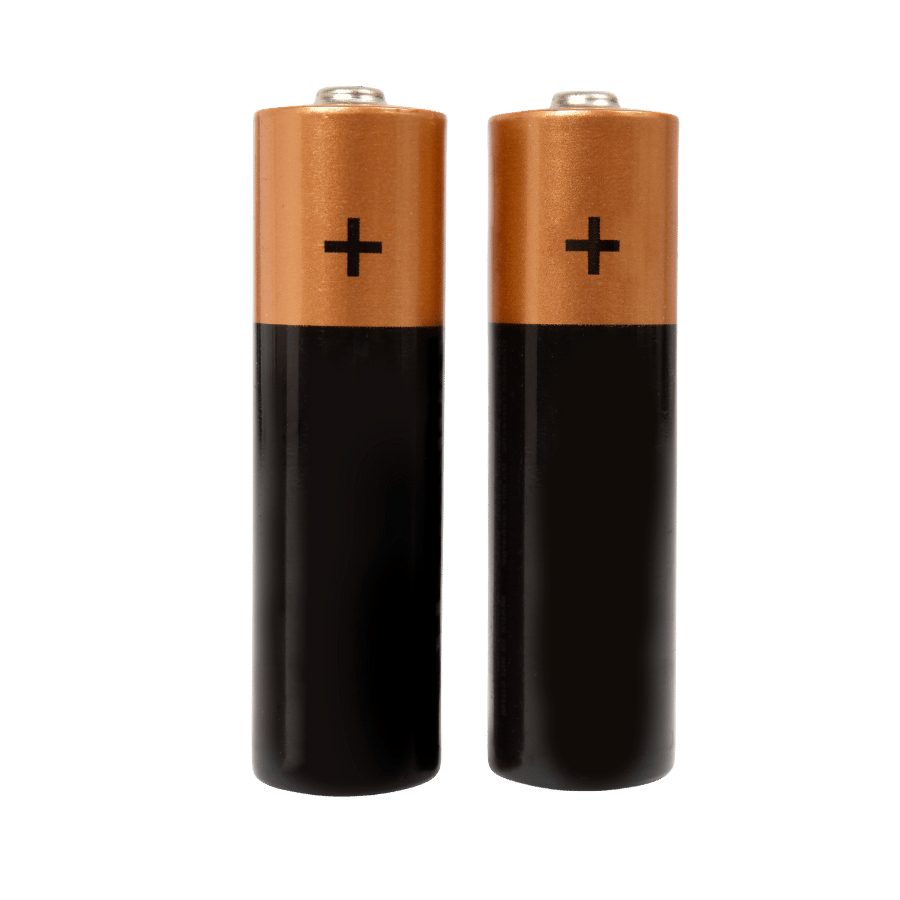
Not Accepted by The ReCollective
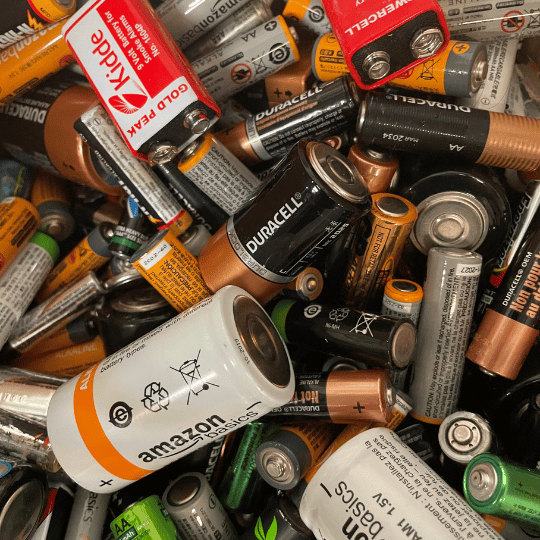
Do not place any of the batteries below in your Batteries & Bulbs bag.
Dispose of these through your local household hazardous waste facility.
Dispose of these through your local household hazardous waste facility.
Do not place these in the Batteries & Bulbs bag. Use a local household hazardous waste or manufacturer take-back program.
Use a local automotive battery recycling or household hazardous waste program.
Use an automotive battery return or local household hazardous waste program.
How to Set Batteries Out
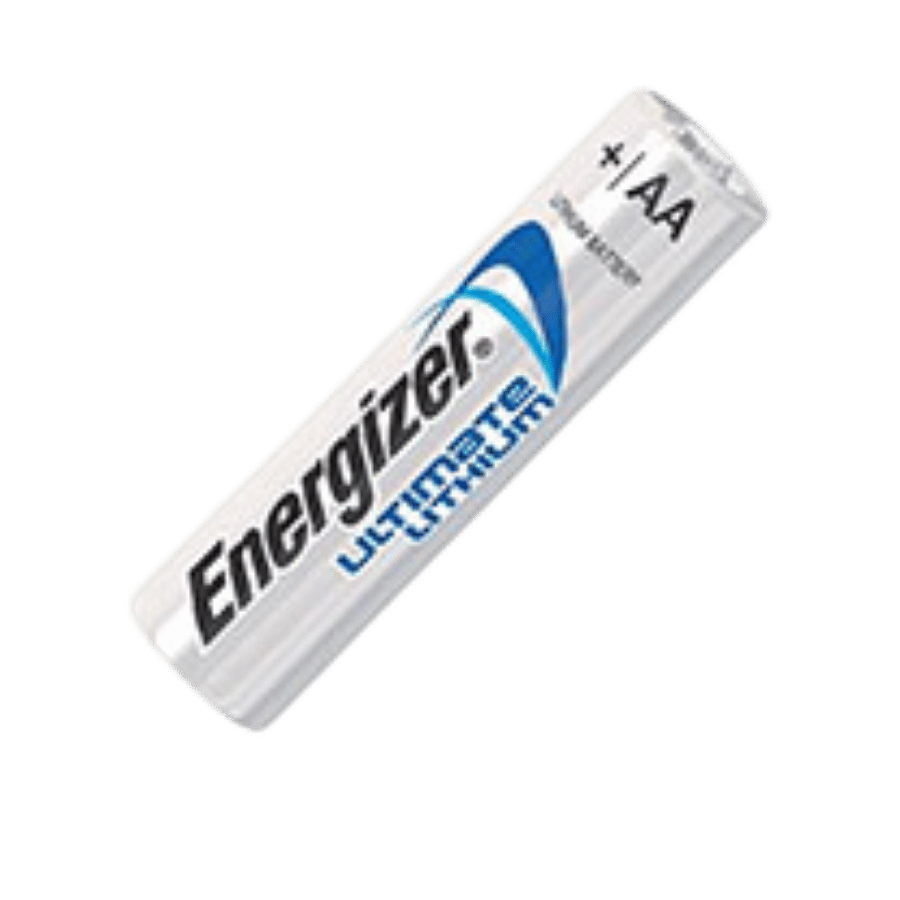
Mailback bags may include up to 10 AA or AAA alkaline batteries rated 1.5V.
How ReCollective Recycles Batteries
The ReCollective consolidates accepted household batteries for responsible downstream recycling.
Prepared batteries are picked up during scheduled battery collection months.
Our team keeps accepted batteries together and removes materials that cannot safely enter the program.
Batteries are routed to facilities equipped to recover usable materials and properly manage hazardous components.
Can Batteries Go in Curbside Recycling?
No. Keep household batteries out of municipal curbside recycling carts. Use a dedicated battery collection or household hazardous waste program instead.
Household Batteries: Never Curbside
The table below applies to standard household batteries placed in municipal recycling carts.
| Municipality | Accepted Curbside? |
|---|---|
| Raleigh | No |
| Durham | No |
| Cary | No |
| Chapel Hill | No |
| Carrboro | No |
| Hillsborough | No |
Battery Recycling FAQs
Which months does The ReCollective collect batteries?
Batteries are collected in January, February, April, May, July, August, October, and November.
Which batteries need tape on the terminals?
Tape the exposed terminals of lithium and 9-volt batteries before placing them in your collection bag. Use clear packing tape or electrical tape and make sure the metal contacts are fully covered. Batteries rated above 9 volts are not accepted.
Can I include batteries in the Almost Anything Mailback Bag?
Mailback bags may include up to 10 AA or AAA alkaline batteries rated 1.5V. Lithium, rechargeable, button-cell, damaged, and leaking batteries may not be mailed.
What should I do with a leaking or corroded battery?
Do not place it in a ReCollective bag. Use your city or county household hazardous waste resource for local handling and disposal instructions.
Can I leave a battery inside an electronic device?
For a standard battery collection, remove the battery when it is designed to be removable. Whole electronics should only be included when The ReCollective is specifically collecting electronics or when the item is eligible through another listed program.
Does The ReCollective accept car batteries?
No. Car batteries and other lead-acid batteries require a separate automotive or hazardous-material collection program.
Where does The ReCollective send collected batteries?
Accepted household batteries are consolidated and sent to Batteries Plus for responsible downstream recycling.
Recycle More with The ReCollective
Doorstep members can recycle accepted batteries during scheduled months along with plastic film, crinkly packaging, textiles, styrofoam, rotating ReCo Picks, and other hard-to-recycle materials.
Related Recycling Guides
Explore instructions for other materials collected through The ReCollective.