
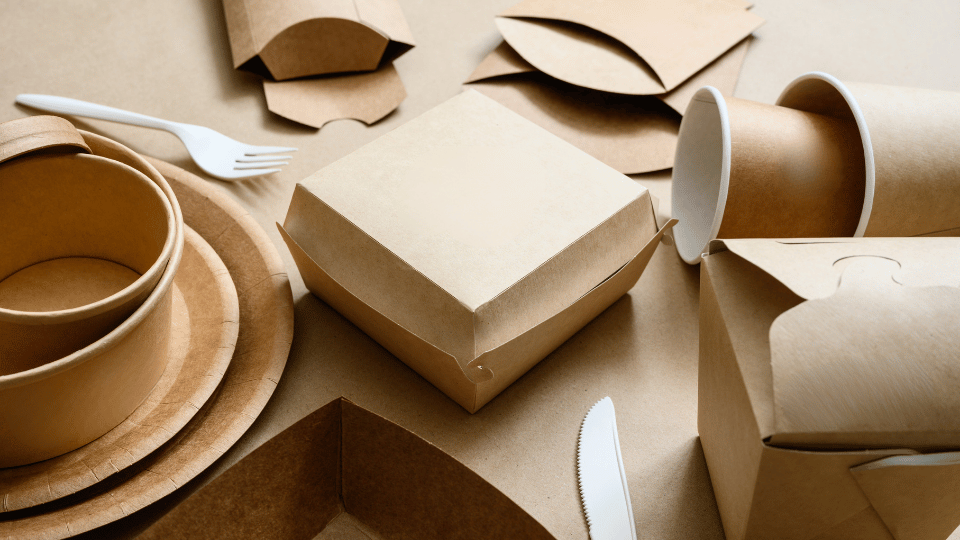
Compostable plastics often appear in stores and restaurants, but The ReCollective does not promote them, sell them, or partner with companies that make them. We also do not accept compostable plastics in our collections. See the Organics Materials Guide for details.
At The ReCollective, we work with the same commercial composting facility partner as other doorstep compost services in the area. Based on the experience and feedback of our partner, compostable plastics often don’t perform as intended and can affect the quality of the finished compost. That perspective has helped shape our decision not to accept them.
The Challenges with Compostable Plastics
While the idea behind compostable plastics is well-intentioned, they come with challenges that make them less sustainable than they appear:
-
Still single-use. Production, transportation, and disposal require significant resources, similar to other disposable products.
-
Misleading labels. Marketing can imply these items naturally “return to nature,” which can encourage overuse or incorrect disposal.
-
Limited breakdown. In landfills, waterways, recycling bins, or incinerators, compostable plastics often fail to degrade as promised and may release greenhouse gases or toxins.
-
Chemical concerns. PFAS and other additives remain a concern, and not all compostable plastics are certified by reputable third-party standards.
-
Impact on compost quality. Even in commercial facilities, these plastics can reduce the quality and appearance of finished compost, making it less appealing for gardens and agriculture.
Better Options to Consider
More effective choices for reducing waste include:
-
Reusable serviceware and containers such as durable utensils, plates, cups, or takeout containers that can be washed and used again.
-
Compostable items made from natural fibers like paper, bamboo, bamboo cutlery, and fiberware, all of which are accepted by The ReCollective’s composting partner
What’s Accepted in Organics
For a full, up-to-date list of accepted items, visit the Organics Materials Guide.
How The ReCollective Supports These Choices
Through doorstep pickup, The ReCollective helps members recycle or repurpose over 30 different materials. By focusing on reusables and materials that are compatible with local recycling and composting systems, the community is able to:
-
Cut down on single-use waste before it starts
-
Prevent harmful chemicals from entering compost
-
Ensure finished compost is safe, healthy, and usable in agriculture and gardens